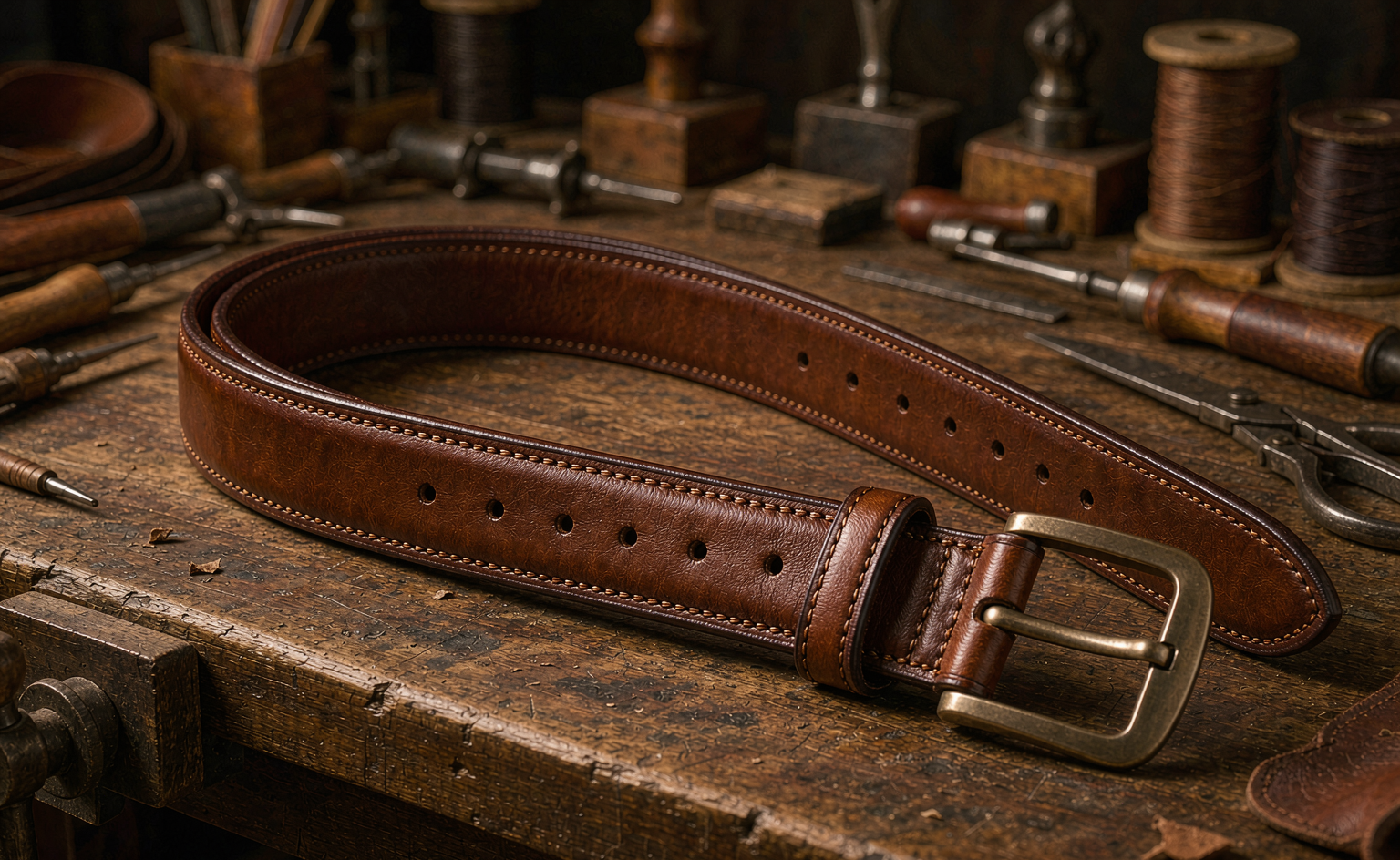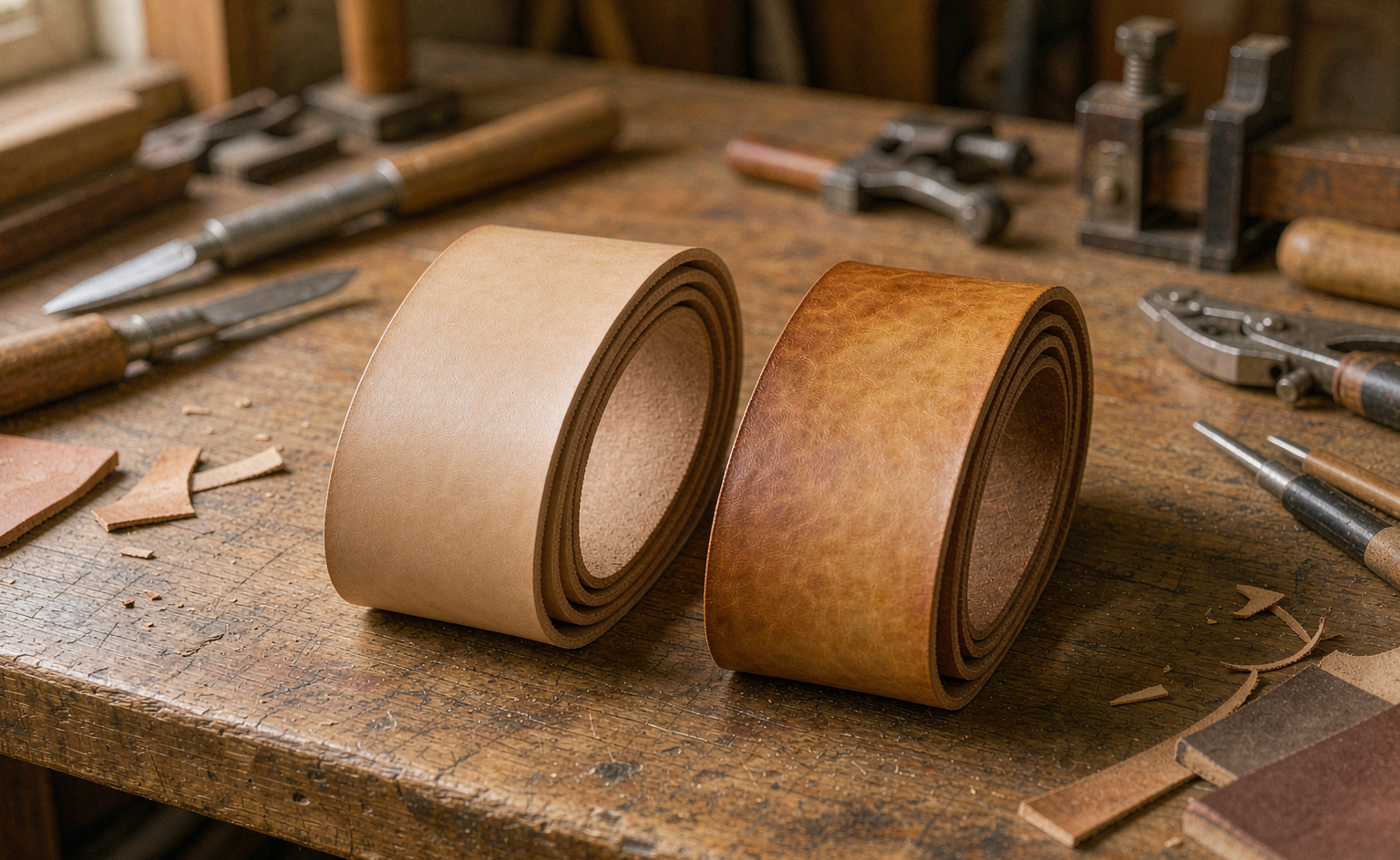
A heavy-duty gun belt and a regular leather belt may look nearly identical on a store shelf, but they are engineered for entirely different jobs. The difference comes down to one word: stiffness. A concealed carry (CCW) belt must hold the combined weight of a holstered pistol, spare magazine, and gun belt mounting hardware without sagging, rolling, or stretching — a task a standard single-ply dress belt simply was never designed for. In this guide, you will learn how the two belts differ in construction, leather thickness, hardware, and testing, so you can decide what your product line (or your waistline) actually needs.
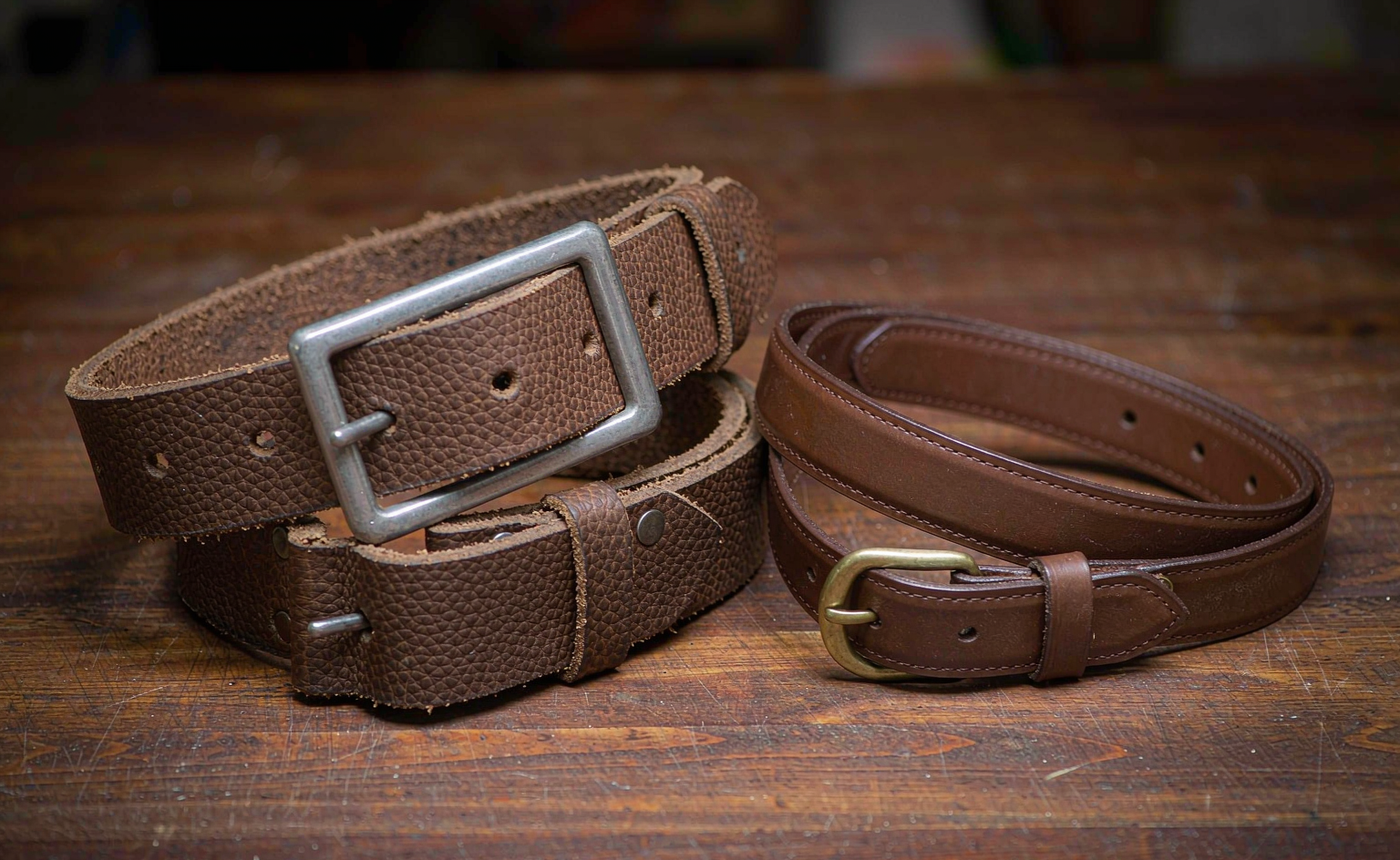
The Core Difference: Stiffness Under Load
A regular everyday belt is a garment accessory. Its job is to hold trousers in place with light, evenly distributed tension. A gun belt is a load-bearing platform. It has to resist the leverage a holstered firearm exerts at a single point — leverage that pulls the belt downward and outward with every step, sit, and stand.
That is why the defining spec of a CCW belt is not thickness or even leather grade alone, but torsional and lateral stiffness: the belt’s resistance to twisting, rolling, and flexing under an asymmetric load. A soft belt lets the holster pivot and tip away from the body, printing through a cover garment and forcing constant readjustment. A properly stiff belt keeps the holster pinned close, stable, and concealed.
Construction: Layered Cores vs. Single-Ply Leather
Most everyday belts are cut from a single strip of leather. They are supple, comfortable, and inexpensive — and they stretch noticeably after weeks of wear, because the fibers creep under sustained tension.
Heavy-duty gun belts are built differently, in one of several common configurations:
- Two layers of full-grain leather bonded back-to-back, which roughly doubles the bending resistance compared with a single ply of the same leather.
- Leather with an internal reinforcement layer — a polymer or spring-steel core sandwiched between the outer and lining layers — which resists rolling and stretching far better than leather alone.
- Dense vegetable-tanned leather, cut thicker and burnished, a more traditional approach that relies on the leather itself rather than a synthetic insert.
The exact reinforcement method affects weight, break-in time, and how the belt behaves in humid climates, so the right construction should be matched to the intended climate and carry setup rather than chosen on stiffness alone.
Leather Thickness, Width, and Taper
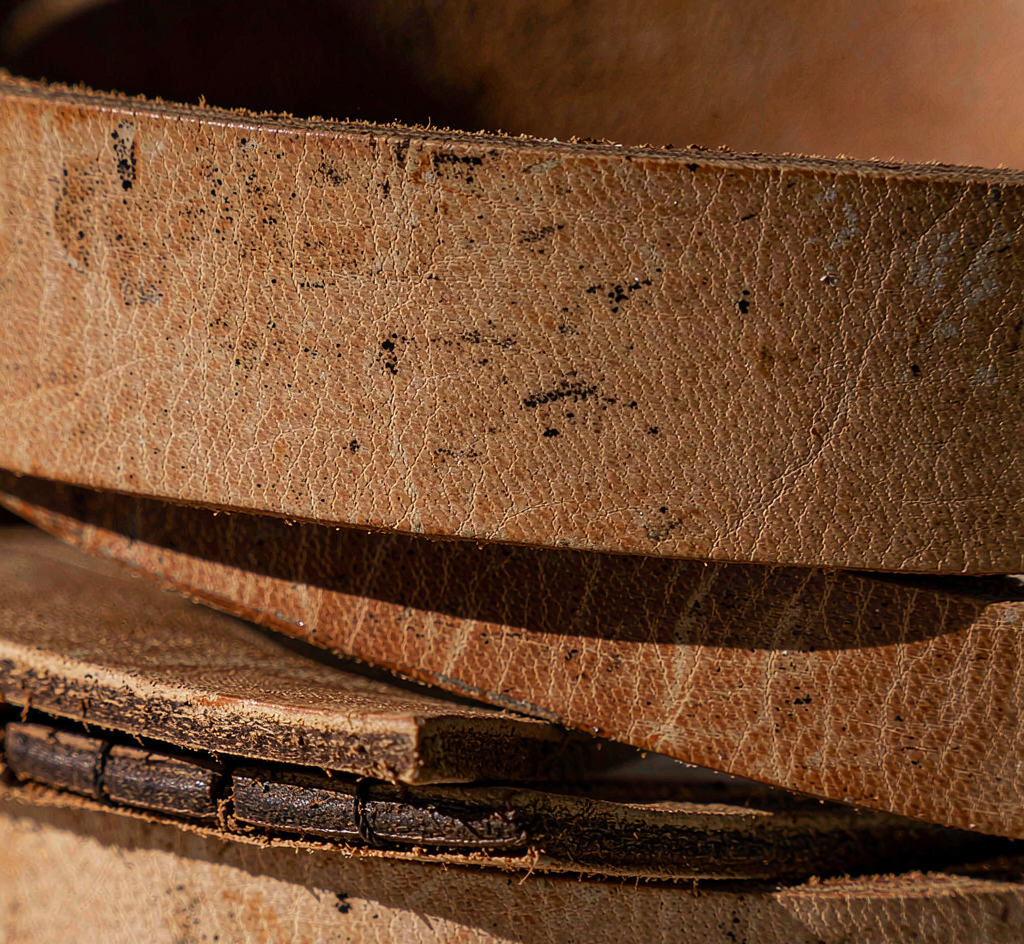
Gun belts generally use heavier cuts of leather and wider straps than dress belts, because width spreads the load across the hips and reduces pressure points. For the same reason, many CCW belts keep a consistent width along their full length, while fashion belts are often tapered toward the tip.
Precise thickness varies by maker and reinforcement type — a lined two-layer belt and a single-ply belt with an internal stiffener may reach similar stiffness at different thicknesses. What matters when comparing is total belt stiffness as an assembly, not the leather thickness figure on its own. When specifying a belt from a manufacturer, it is best to confirm the layer count, core material, and finished thickness together rather than any single number.
Hardware: Where Belts Fail First
Under a carried firearm, the buckle and its attachment points take more abuse than any other part of the belt. Heavy-duty belts typically pair stronger hardware with more secure attachment methods:
- Steel or solid brass buckles instead of thin plated zinc-alloy castings that can crack under impact or sustained load.
- Screws or Chicago-screw closures instead of a single row of stitching or snaps, so the buckle cannot pull loose from the strap.
- Reinforced stitch lines (and often rivets) at the fold and along the strap edges.
A regular belt’s snap-on or stitched buckle may hold a holster for a while, but repeated re-holstering and draw cycles work the leather loose at exactly the point where failure is least convenient.
How to Test Whether a Belt Is Carry-Ready
Whether you are evaluating a supplier’s sample or your own belt, three quick checks separate a genuine gun belt from a stiff-looking dress belt:
- The horizontal hold test: hold the belt horizontally by one end, like a plank. A carry-rated belt stays nearly level; a dress belt droops under its own weight.
- The twist test: try to twist a short section of the strap between your hands. Minimal twist means the belt will resist rolling around the holster’s mounting clips.
- The hang test: hang a comparable weight (for example, a filled holster or a heavy tool) from the middle of the buckled belt and watch for stretch or deformation. Check the same belt again after a week of wear — quality belts show little permanent stretch.
Comfort: The Trade-Off Nobody Mentions
Stiffness carries a comfort cost. A heavy gun belt feels firmer sitting down, takes longer to break in, and can be overkill for someone carrying a slim single-stack pistol or nothing at all. A well-made regular belt, or a belt with a moderate reinforcement layer, is often the better everyday choice for light carry or for purely stylistic wear.
The practical division is straightforward: the more the belt has to carry, the more stiffness it needs. For full-size pistols and all-day carry, choose a dedicated gun belt construction. For lightweight or occasional carry, a reinforced but softer belt can be a reasonable middle ground.
For Brands and Buyers: Specifying the Right Belt
If you are developing a belt line or sourcing from a manufacturer, define the requirement before the construction: target carry weight, single-ply vs. layered build, core reinforcement, width, hardware standard, and stitch pattern. A supplier experienced in custom leather belts can prototype both a standard belt and a reinforced version side by side, which makes the stiffness difference obvious the moment you hold them — and lets you price the two tiers accurately.
As a frame of reference for custom production, Beldtura Leather — a Dongguan-based OEM/ODM manufacturer working with 1000+ brands since 2007 — produces custom belts with low minimums (typically 10–50 pieces per style) and 7-day sampling, so testing both constructions in one development round is realistic even for small labels.
Conclusion
A CCW gun belt is not a “better” version of a regular belt — it is a different product that happens to look like one. Regular belts prioritize drape, comfort, and style; gun belts prioritize load-bearing stiffness, dimensional stability, and hardware strength. Match the construction to the actual load, test samples under weight rather than by appearance, and the right choice becomes obvious.
If you are building a belt collection and want to compare layered, reinforced, and standard constructions in real samples, send your specifications or tech pack for a targeted prototype round.
Can I use a stiff regular leather belt for concealed carry?
For a very light setup it may work temporarily, but regular belts stretch and roll under the concentrated weight of a holster, causing sagging and printing. A dedicated gun belt keeps the holster stable over long-term use.
Do gun belts need to be uncomfortable?
No. A well-made gun belt distributes weight across a wider strap, which many users find more comfortable than a soft belt dragging under a holstered pistol. There is a break-in period, but stiffness itself is not the same as discomfort.
Is a double-layer leather belt the same as a gun belt?
Not necessarily. Layered construction increases stiffness, but a true gun belt is defined by total stiffness under load — which may come from a layered build, an internal core, or a combination. Always test the assembled belt, not the construction label.
How wide should a gun belt be?
Width should match the holster’s belt attachment clips and the belt loops of the trousers. Common carry setups use wider straps than dress belts because width spreads load and improves stability; the exact dimension should be confirmed against the holster and garment specs.
Does leather quality still matter on a reinforced belt?
Yes. Even with a stiff core, the outer leather takes abrasion, flex, and sweat exposure. Full-grain, well-finished leather resists cracking and keeps its appearance far longer than heavily corrected or bonded leather at the same stiffness.